
What is Web Development ?
Web Development
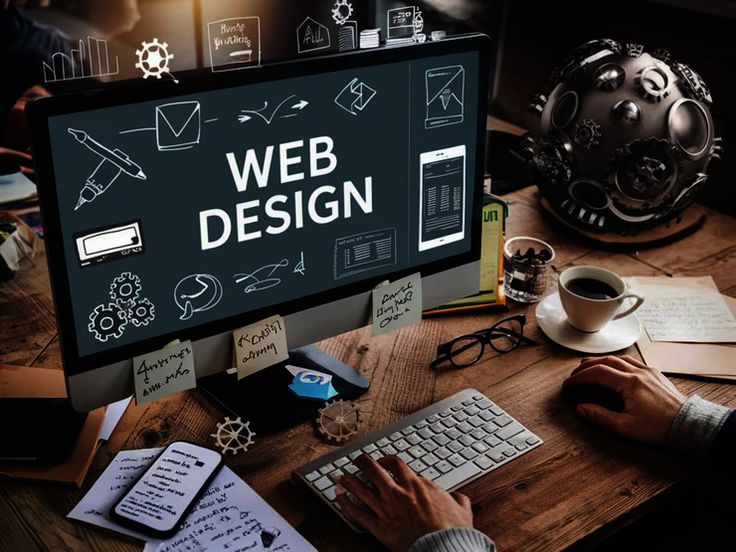
Web development is the art and science of building websites that bring ideas to life on the internet. It combines creativity with coding to design visually appealing, interactive, and user-friendly digital experiences. Using technologies like HTML, CSS, and JavaScript, developers craft engaging frontends, while backend systems handle data and functionality. From simple webpages to powerful web applications, web development ensures speed, responsiveness, and security. In today’s digital world, it plays a vital role in shaping brands, connecting people, and delivering services online, making it an essential skill for businesses and individuals aiming to grow and stand out globally.
Types of Website
Static Website
Dynamic Website
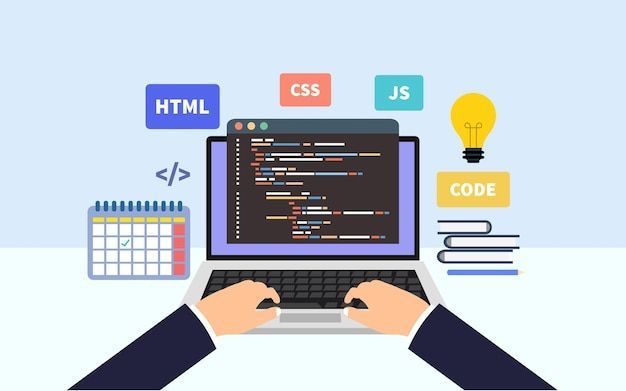
A static website is a type of website where each web page is created using basic technologies like HTML, CSS, and JavaScript. The content of these pages remains the same and does not change automatically. Any updates must be made manually by editing the code. Static websites are simple, fast, and ideal for sites with fixed or rarely changing information.
Dynamic Website
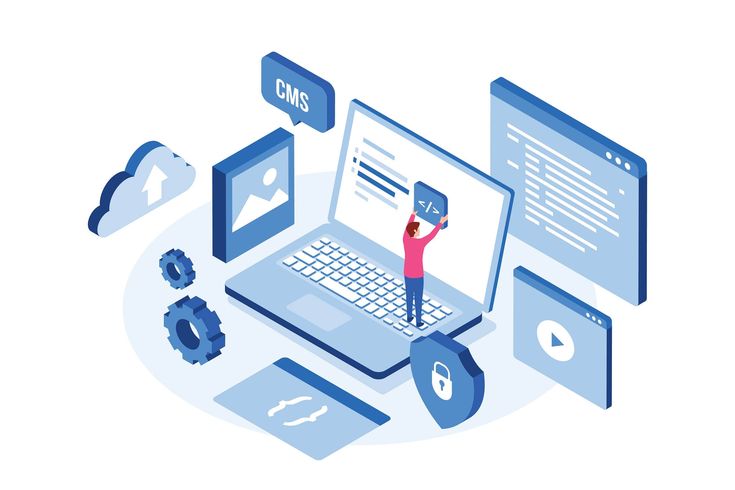
A dynamic website is a platform that displays different content and allows users to interact based on factors like time, user preferences, or behavior. Unlike static websites, which show the same information to every visitor, dynamic websites can update content in real time. These websites often use programming languages and databases to deliver personalized experiences.
Categories of Web Development
Categories of Web Development




Personal Website
A website made by a person to share blogs, portfolio, or resume online.
Example: WordPress, Blog & Resume
Business Website
Created to advertise a company, its services, or products online.
Example: Apple Inc.
E-Commerce Website
Online platforms used for buying and selling products or services.
Example: Amazon, Flipkart, Myntra
Educational Website
Offers online learning resources, courses, and study materials.
Example: Khan Academy, Udemy




Social Media Website
Platforms where users interact, share content, and communicate with others online.
Example: Facebook, Twitter, Instagram
Entertainment Website
Provides entertainment content like videos, music, and games online.
Example: YouTube, Netflix, Spotify
News and Media Websites
Provide news, articles, and reports about current events.
Example: The Times of India, CNN, BBC
Portfolio Website
Displays creative work like photography, art, or design projects online.
Example: Behance, Dribbble
What is Domain ?
Web Development
Web development is the art and science of building websites that bring ideas to life on the internet. It combines creativity with coding to design visually appealing, interactive, and user-friendly digital experiences. Using technologies like HTML, CSS, and JavaScript, developers craft engaging frontends, while backend systems handle data and functionality. From simple webpages to powerful web applications, web development ensures speed, responsiveness, and security. In today’s digital world, it plays a vital role in shaping brands, connecting people, and delivering services online, making it an essential skill for businesses and individuals aiming to grow and stand out globally.
What is Hosting ?
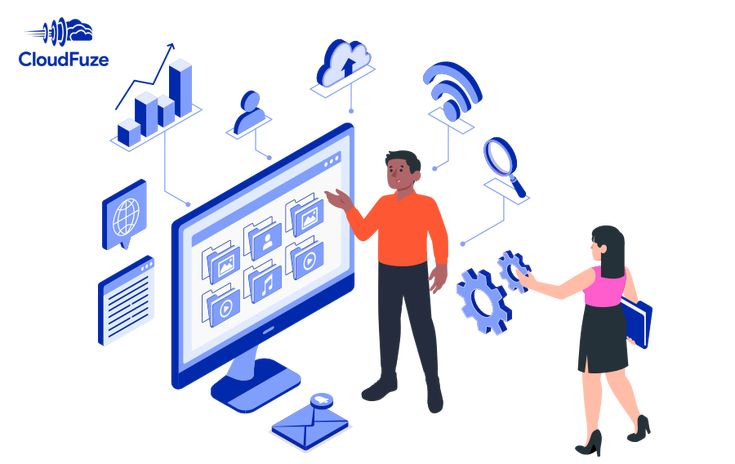
Hosting is a service that stores websites or web applications and makes them available on the internet.
In simple words, when you create a website, all its files (text, images, and code) need a place to live. Web hosting provides space on a server (a powerful computer) so people can access your website anytime using a domain name (like www.example.com
).
Example:
Web hosting is like renting a room on the internet where your website lives, and anyone with the address can visit it.
Types of Hosting

Shared Hosting
Shared hosting is a type of web hosting where multiple websites are stored on the same server and share its resources, such as storage, bandwidth, and CPU power.
In simple words, it means many websites use one server together, which makes it affordable and easy to manage.
Example:
Shared hosting is like living in a shared apartment — each person has their own room, but everyone shares common facilities like electricity, water, and internet
Dedicated Hosting
Dedicated hosting is a type of web hosting where a single website gets an entire server exclusively for its use, without sharing resources with others.
In simple words, your website has full access to all server resources like CPU, RAM, storage, and bandwidth, which ensures better performance, security, and control.
Example:
Dedicated hosting is like owning a private house — you don’t share space with anyone, and you have complete control over everything.
VPS (Virtual Private Server) Hosting
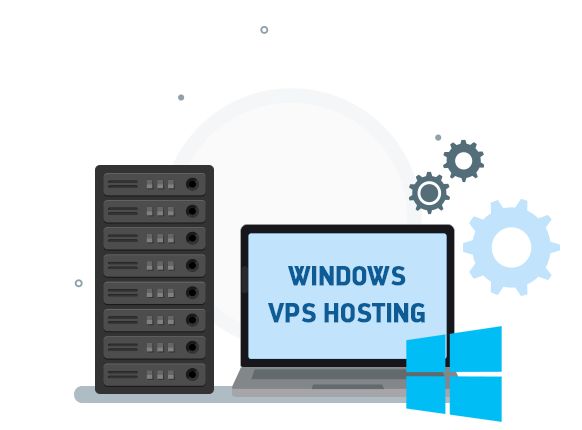
VPS hosting is a powerful web hosting solution where one physical server is split into multiple independent virtual servers using virtualization technology. Each user gets dedicated resources like CPU, RAM, and storage, along with greater control and flexibility.
In simple words, it gives you the feel of a dedicated server at a lower cost, with better speed and reliability than shared hosting.
Example:
VPS hosting is like traveling in a train with reserved seats — you share the train with others, but your seat is fixed, secure, and only yours.
Cloud Hosting
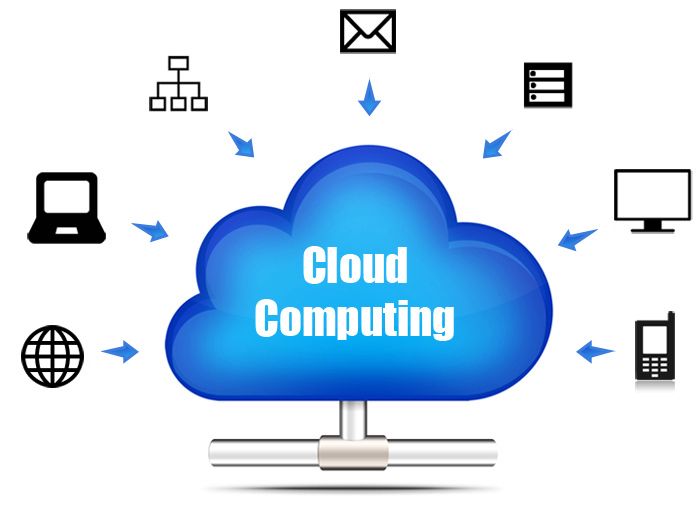
Cloud hosting is an advanced hosting solution where websites are powered by a group of connected servers working together as one system. This ensures high speed, scalability, and almost zero downtime.
In simple words, your website runs on multiple servers instead of a single machine, so it stays fast and available even during high traffic or server issues.
Example:
Cloud hosting is like streaming movies online — the content doesn’t come from one device but from many servers, so it plays smoothly without interruption.
FAQ ( Frequently Asked Question )
Web development is the process of creating and maintaining websites using coding, design, and programming.
- Frontend Development (design & layout)
- Backend Development (server & database)
- Full Stack Development (both frontend + backend)
Frontend is the part of a website users see and interact with (buttons, design, layout).
- HTML (structure)
- CSS (design)
- JavaScript (functionality)
- Backend: Python, PHP, Java, Node.js
- Builds online presence
- Helps in business growth
- Increases brand visibility